
Buying Property in Dubai for Indian Investors
Why Consider Dubai Real Estate
Dubai real estate allows non-resident and resident Indian citizens to acquire property across designated areas. Whether a buyer is looking for capital growth or personal residence, the market provides multiple residential options. Contrary to what first-time buyers normally assess, Indian buyers can legally purchase freehold properties in Dubai without local partnership requirements.
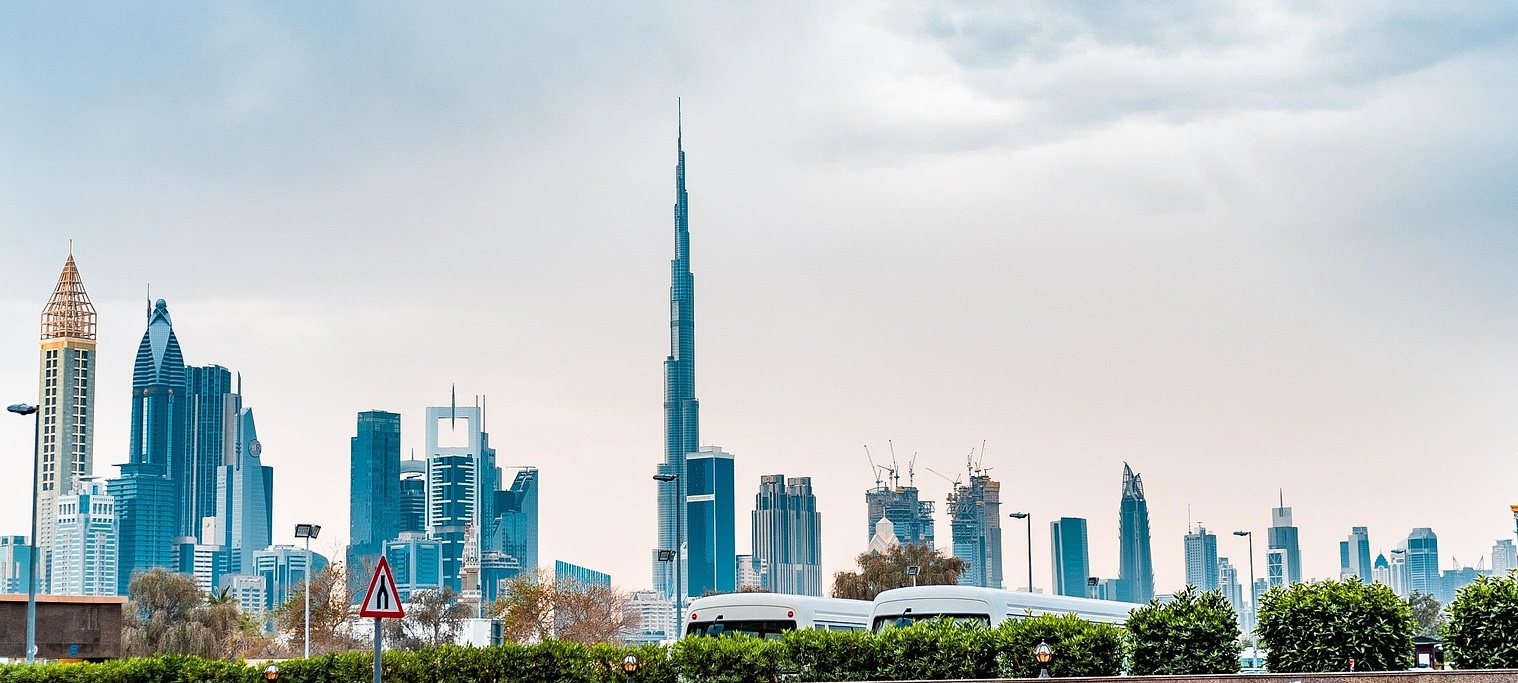
Dubai Real Estate Market Structure
Dubai real estate represents a stable investment market that continues to draw high net worth Indian buyers. Market Attractiveness – The primary drivers for Indian investors include a tax-free regime and modern infrastructure across major developments. Rental yields typically range between 6 to 9 percent depending on locality and property type.
Legal Framework for Indian Buyers
Real estate purchases in Dubai operate under Law No. 7 of 2006 for foreign buyers. The legal process differs from Indian property transactions, but following the structured legal procedure ensures a smooth transfer. Note: Foreign buyers should ensure all documentation aligns with Dubai Land Department requirements.
Eligibility Requirements for Buyers
Eligibility – An Indian buyer requires a valid passport, while a Dubai resident visa may be required depending on the property ownership structure. Beyond basic identity verification, it is always advisable that he/she aligns the property selection with specific requirements regarding unit size, budget, and location.
Market Overview
Purchasing real estate in Dubai combines a clear regulatory framework with specific tax advantages. The table below outlines the basic parameters for Indian buyers:
Legal Procedures and Eligibility for Indians to Buy Property in Dubai
Applicable Real Estate Legislation
Real estate ownership for foreign nationals is governed by Law No. 7 of 2006. While UAE and GCC residents have broader access across the emirate, Indian buyers are restricted to designated freehold areas. Note: Freehold designated areas allow full ownership rights for non-GCC foreign nationals.
Documentation Requirements
Required Documents – The buyer must present a current Indian passport alongside a Dubai resident visa where applicable. Once a property is selected, drafting and signing the Memorandum of Understanding (MOU) is mandatory, with standard forms available via the Dubai Land Department website.
Execution of the Memorandum of Understanding
The Memorandum of Understanding, also known as Contract Form F, requires a 10 percent deposit upon signing. This 10% security deposit is held to ensure both parties fulfill their commitments and is refunded post transfer.
Necessity of Legal Due Diligence
Legal Due Diligence – It is advisable to verify that the property is entirely free of liens, mortgages, or outstanding legal disputes. Whether he/she visits the DLD office directly or executes a power of attorney for verification, completing this step prevents future operational issues.
Document Verification and Approvals
Both the seller and buyer are required to submit valid personal identification documents for verification. Additionally, it is always advisable that the buyer ensures the seller provides an original NOC from the developer to confirm the transaction is secure and property clear.
Steps from MOU Execution to Ownership Transfer
Initial Contracting Phase
Transaction Process – The purchase process begins with property selection and signing the MOU, which specifies terms including sale price and deposit requirements. The 10 percent deposit is held as security and fully accounted for after ownership transfer is finalised.
What’s the Next Move?
Legal due diligence begins immediately following MOU execution. Both buyer and seller must verify that the property title is clear of any legal issues or encumbrances. Completing this step ensures complete transparency and mutual trust before moving forward.
How Is the Sale Agreement Made?
Once due diligence is complete, parties proceed to execute the formal Sale and Purchase Agreement. This contract specifies payment terms, completion timelines, and operational clauses. It is always advisable that he/she examines every clause thoroughly, as there is no room for speculation.
How To Transfer Ownership?
Ownership Transfer – The final transfer of ownership takes place at the Dubai Land Department office. The buyer must present the signed MOU, NOC clearance, identification documents, and a bank manager’s cheque. While formal, the procedure is a clear administrative process to register the buyer as the official owner.
What About the Final Payment?
Upon successful transfer of the title deed, the buyer releases the final payment balance to close the transaction. This final settlement completes the buying process, making ownership entirely official.
Financial Aspects & Mortgage Options
Cost Breakdown:
Total acquisition cost consists of multiple expense heads: base property price, transfer fees of roughly 4 percent of property value, real estate agency fees around 2%, and mortgage application charges if borrowing. It is advisable to list these components early to set an accurate budget.
Can Indians Get Loans?
Non-resident Indian buyers are eligible for local property loans. Multiple financial institutions across Dubai provide mortgage products for non-residents. Typically, bank financing covers 75-80 percent of total property valuation, with the buyer funding the remaining portion as a down payment. Proof of stable income and a solid credit score are key requirements.
How Do Banks Decide?
Banks evaluate applicant income, credit background, and property details prior to loan approval. Whether he/she is concerned about an imperfect credit score, it’s advisable to get finances in order first to prevent processing delays.
What Are the Extra Fees?
Maintenance Costs – Apart from primary acquisition charges, property owners encounter recurring service charges and maintenance fees that vary by property type and locality. It is advisable to obtain a detailed itemized breakdown directly from the developer.
How to Budget Properly?
It is always advisable that he/she sets up a clear financial table to budget for all upcoming acquisition costs:
Top Locations for Indian Investors
Downtown Dubai
Downtown Dubai is a central high-density commercial and residential district. Many Indian buyers prefer this location for its landmark skyline, high footfall, and immediate proximity to major shopping malls, business towers, and entertainment hubs. It remains a primary market for modern apartment units.
Dubai Marina
Dubai Marina is a waterfront residential community featuring modern high-rise developments. It appeals to buyers seeking a balance of city infrastructure and seaside living, offering investors a solid mix of luxury assets and residential comfort.
Jumeirah Lake Towers
Jumeirah Lake Towers (JLT) is a master-planned development known for its structured design and accessibility. It is a preferred choice for investors seeking a balanced mix of residential and commercial real estate, offering a broad selection of unit sizes and price points.
Palm Jumeirah
For buyers seeking luxury villas, Palm Jumeirah remains the primary pick. Featuring waterfront views and high-end amenities, it attracts high-net-worth individuals looking for upscale living and privacy.
Other Notable Spots
Other localities like Dubai Hills Estate, Jumeirah Village Circle, and International City also draw real estate investors. These locations offer diverse options, ranging from affordable apartments to luxury villas. Whether he/she is buying budget or premium housing, key advantages include:
- Modern infrastructure
- Good rental yields
- Strategic location
- Safety and security
- Diverse property types
Benefits of Buying Property in Dubai
High ROI Potential:
Rental Yields – Dubai’s market is recognized for high rental yields, which Indian buyers find particularly attractive for generating strong returns. Contrary to what buyers normally assess, steady long-term property appreciation also adds substantially to overall investment returns.
Tax-Free Investments:
Tax-Free Environment – A significant advantage of investing in Dubai is the tax-free setup. There is no property tax, income tax, or capital gains tax, so it’s advisable to consider this market if you want to maximize net returns without tax deductions.
Strategic Locale:
Geographic Positioning – Dubai is situated between Europe, Asia, and Africa. This strategic location drives business activity and ongoing rental demand, making it easier for an owner whether he/she is looking to secure tenants or sell the asset later.
World-Class Infrastructure:
Civic Amenities – Modern infrastructure-including transit networks, healthcare facilities, and education-adds long-term value to property investments. These features make residing in or managing property in the city far more straightforward.
Stable Economy & Safety:
Economic Stability – Dubai’s stable, diversified economy helps lower overall investment risks. In addition, high safety standards and strong market regulations give investors peace of mind that their assets are secure.
Disadvantages & Risks in the Market
Market Volatility:
Market Fluctuation – While Dubai offers substantial upside, real estate values can experience periodic volatility driven by global economic conditions. It is always advisable that investors track market cycles carefully before buying.
Extra Charges:
Maintenance fees and service charges are additional recurring costs involved in property ownership. These costs add up over time, so it is always advisable that a buyer factors them into his/her initial financial plan.
Residency Restrictions:
A property-backed residency visa remains tied directly to real estate ownership. If the owner sells the unit, he/she risks losing that residency status, making it essential to factor this rule into long-term plans.
Currency Risks:
The UAE dirham is pegged to the US dollar, which means exchange rate movements between the Indian rupee and the dollar directly impact purchase costs. It’s advisable for investors to calculate this currency fluctuation risk when structuring their finances.
Legal Complications:
Though purchase procedures in Dubai are clear, any documentation errors can lead to serious legal hurdles. It is advisable to verify all paperwork twice to prevent unforeseen legal complications later.
Golden Visas & Residency Perks:
What is a Golden Visa?
A Golden Visa is a long-term residency program available to real estate investors in Dubai. Indian buyers purchasing property valued at AED 2 million or above qualify for a 10-year renewable visa, adding significant utility to the investment.
How to Apply:
Once title deeds are issued, the buyer submits an application with the required identity and property documents. The procedure is straightforward, provided he/she satisfies all official eligibility criteria set by government authorities.
What’s in It for You?
Securing a Golden Visa enables an investor to live in Dubai long-term, access high-quality healthcare and education systems, and maintain a stable operational base for regional investments.
Are There Conditions?
The underlying property must meet the minimum valuation threshold of AED 2 million. Note: If the buyer decides to liquidate the asset, his/her residency status will be revoked or altered, requiring long-term commitment.
How Does It Affect Investments?
A Golden Visa strengthens investor sentiment by anchoring real estate capital to formal residency. Knowing property ownership is tied to long-term status provides peace of mind whether he/she holds the asset for rental yields or personal use.
Expert Tips & Final Thoughts:
Can You Own a House Permanently?
Purchasing real estate in a designated freehold zone gives the buyer absolute, indefinite ownership rights. Whether he/she chooses to occupy, lease out, or sell the property, control remains entirely with the owner.
Is It Safe to Invest?
Dubai maintains a transparent real estate market monitored strictly by the Dubai Land Department. However, it is always advisable that an investor executes independent due diligence before transferring funds.
What are the Extra Fees?
Beyond the agreed purchase price, transactional outlays include transfer fees, real estate agency commissions, and potential mortgage administrative charges. It’s advisable to request a complete fee schedule upfront before making a deposit.
How Long Does It Take?
Timeline – The property transaction can be swift, sometimes wrapping up within a few weeks. Still, it’s advisable that a buyer stays prepared for every step, starting from signing the MOU up to the final ownership transfer.
What Should Buyers Do?
Documentation – It is always advisable that he/she keeps all paperwork organised and complete. A buyer should consult experts with prior experience in this market, plan ahead, and calculate all acquisition costs in advance.
How to Stay Informed?
Market Trends – Staying updated on local market shifts and legal updates is essential. It’s advisable to participate in investor forums where real experiences are shared, ensuring he/she is never caught off guard.
Tips on Budgeting
Budgeting – Setting up a proper financial budget is key. It is advisable to list every potential expense, check carefully for hidden fees, and use spreadsheets to track all costs systematically.
Final Words: Can Indians buy property in Dubai?
At the end of the day, buying property in Dubai is entirely practical for Indians provided the steps are followed correctly. It is always advisable that the buyer does thorough preparation, checks all details, and asks the right questions before investing.
Frequently Asked Questions (FAQs)
Q: How long does the buying process take?
A: The complete process from signing the MOU to final ownership transfer typically takes a few weeks.
Q: What documents are required?
A: A buyer must provide a valid Indian passport, a Dubai resident visa, and related legal documentation.
Q: Is investing in Dubai property safe?
A: Generally yes, as Dubai enforces strict regulations to guarantee secure real estate transactions.
Q: Which areas attract Indian investors the most?
A: Downtown Dubai, Dubai Marina, Jumeirah Lake Towers, and Palm Jumeirah are the main spots for Indian investors.
Q: How much deposit is needed?
A: A buyer generally pays a 10 percent deposit when signing the Memorandum of Understanding.
Q: What defines a golden visa?
A: A Golden Visa provides long-term residency to real estate investors who satisfy specific government criteria.
Q: Do I require legal counsel?
A: It is always advisable that he/she hires a legal professional to perform due diligence and review contracts.
Q: Can I resell my property later?
A: Yes, an owner retains full ownership rights and can sell his/her property at any time.
Q: What purpose does the MOU serve?
A: The MOU outlines the basic terms of the sale and acts as an initial agreement before final processing.
Q: Which legal verifications should I perform?
A: Legal Due Diligence – It’s advisable to verify property ownership, check for existing liens, and ensure there are no ongoing legal disputes.
Q: What additional fees should I expect?
A: Extra Charges – Contrary to what buyers normally assess, you will encounter extra fees such as transfer, agency, mortgage, and maintenance charges.
Q: Can Indians buy property in Dubai?
A: Yes, Indian buyers can purchase property in Dubai in designated freehold areas.
Q: Are mortgage options available for Indians?
A: Yes, many banks in Dubai offer mortgage services to non-residents.
Q: Do Dubai property owners benefit from tax exemptions?
A: Yes, Dubai offers a tax-free environment, meaning there are no property taxes or capital gains taxes.